
The Nature of Games of Chance
Games of chance are fundamentally defined by outcomes that are primarily influenced by random events, rather than the players’ expertise or tactical decisions. This category includes popular options like slot machines, roulette, and certain card games, creating a playing field where luck dominates. Many players explore different platforms, including betting sites , to find the most exciting options available. Each participant enters these games with an equal opportunity to win or lose, remaining unaffected by their prior experience or skill level. The thrill and attraction of these games significantly stem from this element of uncertainty, drawing in players who seek excitement from unpredictable outcomes.
In contrast to skill-based games, where knowledge and practice can drastically affect results, games of chance hinge heavily on luck. A seasoned poker player, for instance, might find that their winnings are not solely a product of their strategic prowess but rather the cards they are dealt. This phenomenon illustrates how even the most seasoned players can fall victim to the whims of fate, losing to less experienced opponents simply because luck was not on their side during that particular session. Such moments serve as a stark reminder of the distinction between games of chance and those that rely solely on strategic competition.
Moreover, the psychological aspects tied to luck play a significant role in shaping the gaming experience. Players frequently attribute their victories to fortune, reinforcing the belief that luck is a critical factor. This perception influences not only how players approach these games but also their emotional reactions during play. A sudden win can spark immense joy and excitement, regardless of the player’s level of skill, thereby emphasizing the considerable impact that luck has in these scenarios.
The Role of Randomness
Randomness is the cornerstone of games of chance, acting as the great equalizer among participants. This unpredictability means that even the most meticulously crafted strategies can fall short if luck does not favor the player. Take roulette, for example; no amount of betting strategies can guarantee a win due to the inherent randomness of where the ball lands. This reliance on chance creates an atmosphere where anticipation and excitement propel players to take bold risks, making the game experience all the more thrilling.
Furthermore, the element of randomness contributes significantly to the enduring popularity and appeal of these games. Players are consistently enticed by the prospect of uncertainty, fueled by the hope that their next game could result in a life-altering jackpot or a substantial win. This possibility keeps the excitement alive and encourages players to return, as no two outcomes are ever predictable. Thus, the randomness inherent in games of chance helps sustain an industry where luck is celebrated, often overshadowing the role of skill.
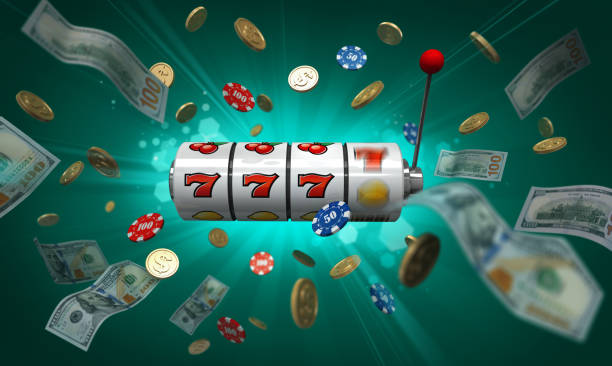
Additionally, game developers intentionally incorporate chance elements into their designs to ensure fairness and excitement, allowing players of varying skill levels to compete on equal footing. Such practices cultivate a unique gaming experience where the outcome is left to fate, making each session unpredictable and exhilarating. In this way, randomness not only dictates the outcome but also heightens the enjoyment for players, who thrive on the thrill of the unknown.
The Psychological Impact of Luck
Luck exerts a profound psychological influence on how players perceive their successes and failures in games of chance. Because these games operate on a random basis, individuals may develop a belief that they possess a unique connection to luck, often leading to what is commonly referred to as the «gambler’s fallacy.» This mindset can cause players to overestimate their ability to affect the outcomes, ultimately reinforcing the illusion that skill plays a larger role when it is often mere luck that is steering their fate.
The psychological effects of luck can elicit a wide range of emotions, from exhilaration to frustration, significantly impacting players’ decisions to continue engaging with the games. For instance, after experiencing a series of losses, a player might feel compelled to alter their strategy, believing they can somehow tip the odds in their favor. However, such beliefs often lead them into a cycle of chasing wins, where they might invest more time and money instead of acknowledging the reality of luck’s dominance in these situations.
Moreover, the exhilaration that accompanies good luck can greatly enhance the enjoyment players glean from participating in these games. Whether it’s hitting a jackpot or experiencing a lucky streak, those moments create indelible memories that players treasure. Consequently, while skill may hold some value in certain gaming environments, the overall experience in games of chance is predominantly shaped by the unpredictable nature of luck, providing a unique emotional landscape for those who engage with them.
Why Skill is Less Relevant
While skill and strategy can be crucial in games that require decision-making, their importance diminishes significantly in games of chance. For instance, even the most adept player can find themselves subject to random outcomes, underscoring the idea that luck ultimately holds the upper hand. Many players may invest substantial time in mastering techniques that have little bearing on their chances of winning, resulting in disillusionment when faced with the stark reality of luck-driven games.
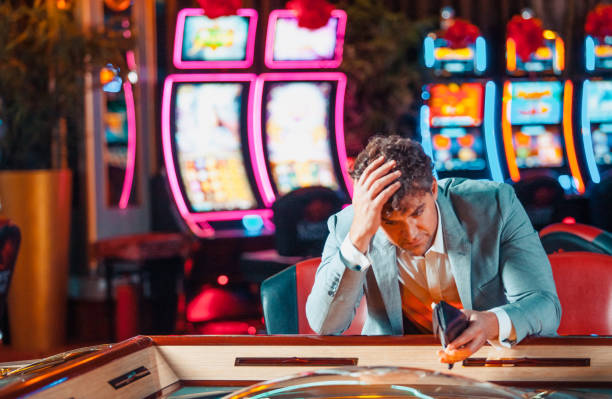
This disconnect becomes even more apparent in tournaments where players compete against one another, often with fluctuating fortunes. A novice might unexpectedly triumph over seasoned players simply due to favorable outcomes, highlighting that skill does not guarantee success in these types of games. Hence, the focus often shifts from refining skills to merely accepting the role of luck, which can serve to empower or frustrate individuals engaged in such gaming experiences.
Additionally, the excitement of participating in games of chance often stems from embracing this uncertainty. Players come to terms with the understanding that while they may have some influence over their bets or decisions, the final outcomes are predominantly governed by luck. This acceptance fosters a sense of camaraderie among players, as they collectively recognize that wins and losses are intrinsic to the randomness of the game.
Exploring More about the World of Games
As the fascination with games of chance continues to grow, players are encouraged to delve deeper into the vast realm that surrounds them. Numerous resources and communities are dedicated to offering insights, strategies, and entertainment related to these games. Whether one is a casual player or an avid enthusiast, exploring new games while grasping the dynamics of luck can significantly enrich the gaming experience.
Many platforms provide opportunities to engage with various games of chance, allowing players to experience the excitement firsthand without the pressure of competition. These environments cultivate a sense of adventure as players immerse themselves in new gaming experiences, all the while acknowledging that luck is an integral part of the enjoyment. Engaging with others in gaming communities can further enhance this exploration, leading to shared experiences and friendships among fellow enthusiasts.
Ultimately, whether motivated by the thrill of the game, the allure of winning, or the social atmosphere, embracing the element of luck is what truly captivates players in games of chance. By recognizing that luck holds more significance than skill, players can shift their focus toward enjoying the experience, rather than getting entangled in the pursuit of mastering skills. This perspective not only amplifies the enjoyment of the games but also fosters a community of players who collectively appreciate the unpredictable nature of chance.