The Illusion of Skill in Chance Games
One of the most common myths surrounding gambling in casinos is the belief that skill can significantly influence the outcome of games entirely based on chance. Many players assume that through practice and strategy, they can alter their odds of winning in games like slot machines and roulette. However, the reality is that these games are designed with random number generators and predetermined probabilities that ensure the outcomes remain purely coincidental, irrespective of player tactics. This distinction is crucial for players to understand, as it can save them from frustrations and misguided expectations when exploring options like canada sports betting in their gaming experience.
Furthermore, this misconception often leads to frustration when players repeatedly fail to win, despite believing they are adopting skilled strategies. For example, a player might spend countless hours mastering various betting patterns in roulette, convinced that they are increasing their chances of success. In truth, each spin of the wheel is independent, and no prior outcome affects the next, making these perceived strategies ineffective in the long run. As a result, individuals may find themselves caught in a cycle of chasing losses, unaware that their belief in skill is a mirage.
The allure of skill-based gaming is particularly strong in more complex games like poker, where a player’s knowledge can indeed influence their performance. However, even in these scenarios, luck plays a significant role, particularly in the short term. Thus, while honing skills can enhance a player’s chances over time, the notion that one can consistently outsmart the house in purely chance-based games is a myth that can lead to misguided expectations and losses. A balanced perspective on skill and luck is essential for approaching gambling with the right mindset.
Understanding the House Edge
Another prevalent myth entails the misunderstanding of the house edge, which is often misconstrued as an insurmountable advantage that guarantees a casino’s victory over players. While it is true that casinos have a built-in edge designed to ensure profitability, this does not mean players are doomed to lose every time they gamble. The house edge varies by game and serves more as a long-term statistical advantage rather than an absolute certainty for each individual spin or hand. This means that while the house has an advantage, it does not eliminate the potential for players to win in the short term.
For instance, in games like blackjack, skilled players can reduce the house advantage through optimal strategies and card counting techniques. This showcases that while the house edge exists, it can be mitigated with skill and knowledge, allowing players the opportunity to win. Therefore, understanding the nuances of each game is crucial for players who wish to make informed decisions regarding their gambling strategies. By educating themselves about the odds and strategies, players can engage more effectively and responsibly in their gaming experience.
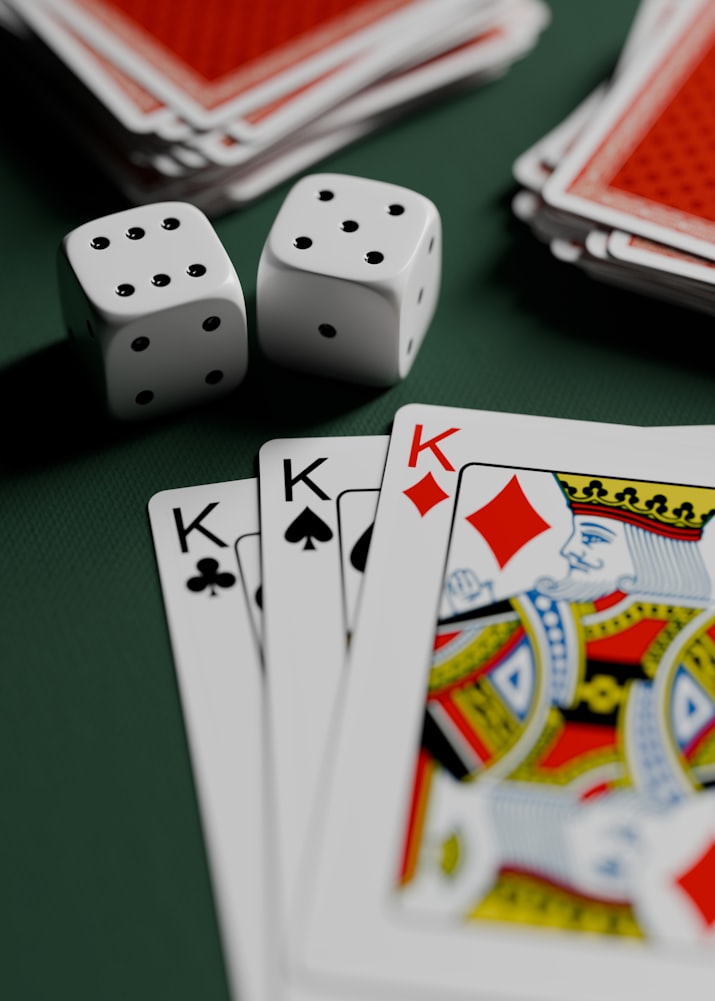
Moreover, the house edge can serve as both a deterrent and an incentive for responsible gambling. Knowing that casinos are designed to be profitable should encourage players to approach their experience with moderation, setting limits that cater to their financial well-being. When players understand and accept the role of the house edge, they are more likely to enjoy their time in the casino rather than becoming disheartened by losses that are part of the game. A realistic view of the house edge can foster a healthier relationship with gambling.
The Myth of “Hot” and “Cold” Streaks
Many gamblers believe in the phenomenon of «hot» and «cold» streaks, where they assume that if a game has gone a certain way, it will continue in that direction. This belief is particularly evident in games such as slot machines and roulette, where players often chase perceived winning streaks or avoid games that seem «cold.» Such thinking can lead to irrational betting behavior, as players may mistakenly believe they can predict outcomes based on previous results. The allure of finding a «hot» machine or table can lead to emotional and financial pitfalls.
In reality, each outcome in random games is independent and does not rely on historical trends. This myth often leads to the gambler’s fallacy, where players believe that a particular outcome is due, such as expecting a certain number to hit after not appearing for several spins. This misconception not only impacts betting strategies but can also lead to substantial financial losses as players chase unattainable streaks. Recognizing that randomness governs these games is vital for developing a more rational approach to gambling.
Understanding randomness is vital for anyone participating in casino games. Each spin or roll should be viewed as a new event, unconnected to those that preceded it. This awareness can foster more rational decision-making and prevent players from making emotional choices based on faulty beliefs about winning streaks and patterns. When players let go of these myths, they can engage with gambling in a more informed and balanced manner. Emphasizing education about randomness can significantly enhance the overall gambling experience.
The Social Myths Surrounding Gambling
In addition to misconceptions about gaming mechanics, there are several social myths surrounding gambling in casinos that contribute to the stigma associated with it. One prevalent myth is that gambling is only for individuals seeking to escape their problems or who are inherently irresponsible with money. This stereotype overlooks the many responsible adults who enjoy gambling as a form of entertainment, much like watching a movie or attending a sports event. A more nuanced understanding of the gambling community reveals a diverse range of participants who approach this activity with moderation.

Moreover, the belief that only problematic gamblers frequent casinos can discourage others from participating in responsible gaming. Many individuals approach gambling with a sensibility that includes setting budgets and recognizing when it is time to walk away. The social narrative surrounding gambling needs to evolve to emphasize that while issues do exist for some, the vast majority of participants engage in this activity for enjoyment and social interaction. Highlighting the positive aspects of gambling can help reshape public perception and reduce stigma.
By dispelling these myths, we can foster a healthier conversation around gambling. Promoting responsible gambling behaviors while recognizing the enjoyment factor can help shift perceptions, allowing for a more inclusive atmosphere surrounding this activity. Understanding that casinos can be enjoyed without negative consequences is crucial to combating stereotypes and encouraging responsible participation. Acknowledging the social dimensions of gambling can contribute to a more balanced understanding of this complex activity.
Learn More About Responsible Gambling
To delve deeper into the realities of gambling in casinos, it is essential to seek out reliable resources and knowledgeable platforms that promote responsible gaming. Such resources can provide guidance on understanding the odds, recognizing problematic gambling behaviors, and learning effective strategies for enjoying casino games safely. Many online platforms offer valuable information and tools to help players maintain a balanced perspective while gambling. These resources can empower individuals to take control of their gambling habits and engage more positively.
Additionally, these platforms often provide access to communities where individuals can share their experiences, learn from others, and gain insight into best practices for tackling gambling responsibly. Engaging with others who share similar interests can combat the isolation some may feel when they critically assess their gaming habits. These communities stress the importance of awareness and self-regulation in enhancing the overall gambling experience. By connecting with like-minded individuals, players can create a supportive environment that fosters responsible gaming habits.
Furthermore, exploring online resources dedicated to option engagement can empower players to make informed choices about their gambling practices. By understanding both the myths and realities of casino gambling, individuals can enhance their enjoyment while minimizing risks. The pathway to responsible gambling involves continuous education and fostering a community-oriented environment where players feel supported in their gaming endeavors. As players become more informed, they can navigate the complexities of gambling with confidence and awareness.